Dutch pavilion world exhibition Osaka 2025
Visitor Journey / Interactive Installations / Partners: Tellart | RAU | DGMR
Key Takeaways
Design together
Architecture and Experience Design are strongest when developed as one.
A long queue is not a compliment
High visitor numbers demand math and behavioural design as much as creativity.
People tell the story
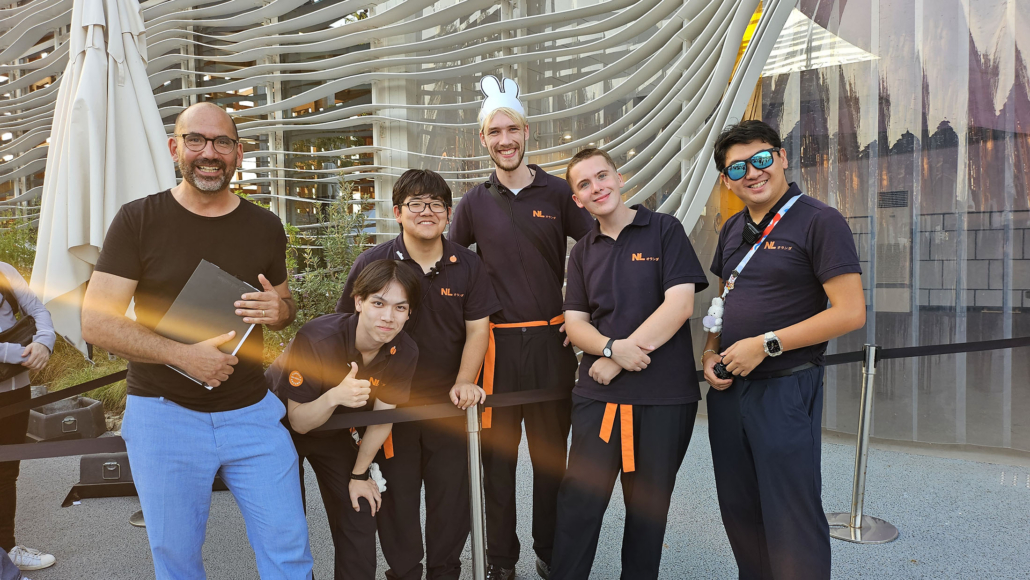
Hosts are one of the most powerful, and overlooked, storytelling media.
Everyone shapes the experience
Designing for staff, volunteers and operations improves the experience for visitors.
An immersive journey through the Netherlands’ evolving relationship with water
At Expo 2025 Osaka, we designed the experience for the Netherlands Pavilion while at Tellart, in collaboration with RAU Architects, DGMR and Asanuma. We developed the winning proposal until detailed design for an immersive visitor journey that translates Common Ground, the Dutch mindset of solving complex challenges together, into a spatial and interactive experience.
Commissioned by the Netherlands Ministry of Foreign Affairs and the Netherlands Enterprise Agency (RVO), the pavilion builds on a distinctly Dutch reality: living below sea level. Centuries of working together against water shaped a culture of collaboration, ingenuity and long-term thinking. We translated this mentality into a narrative that evolves from our historic relationship with water towards a future where global challenges, from climate change to the energy transition, can only be solved together.
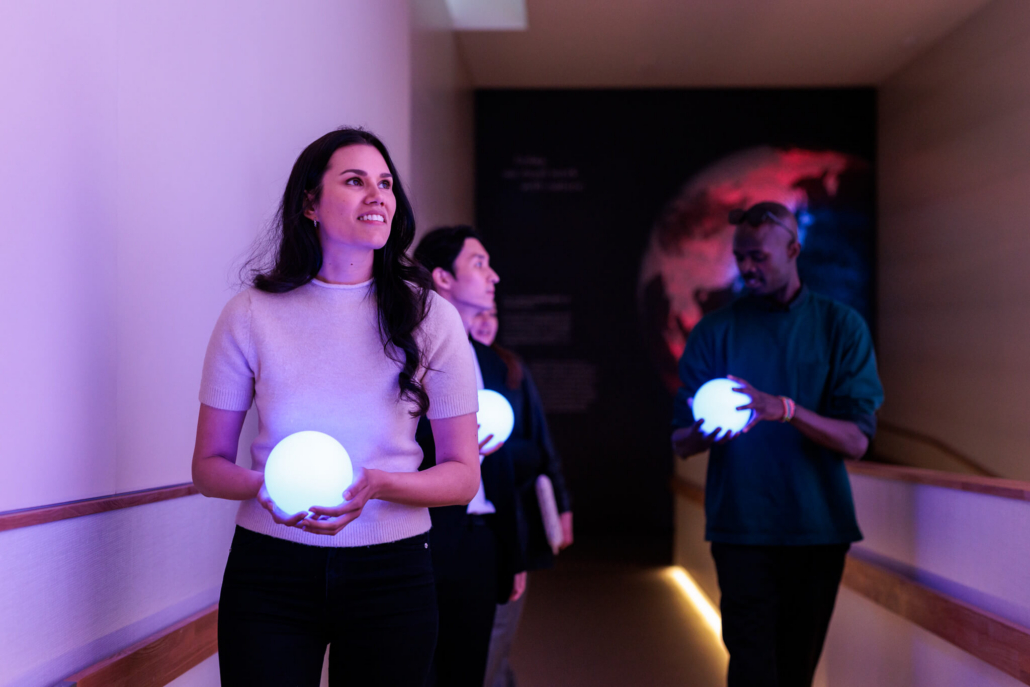
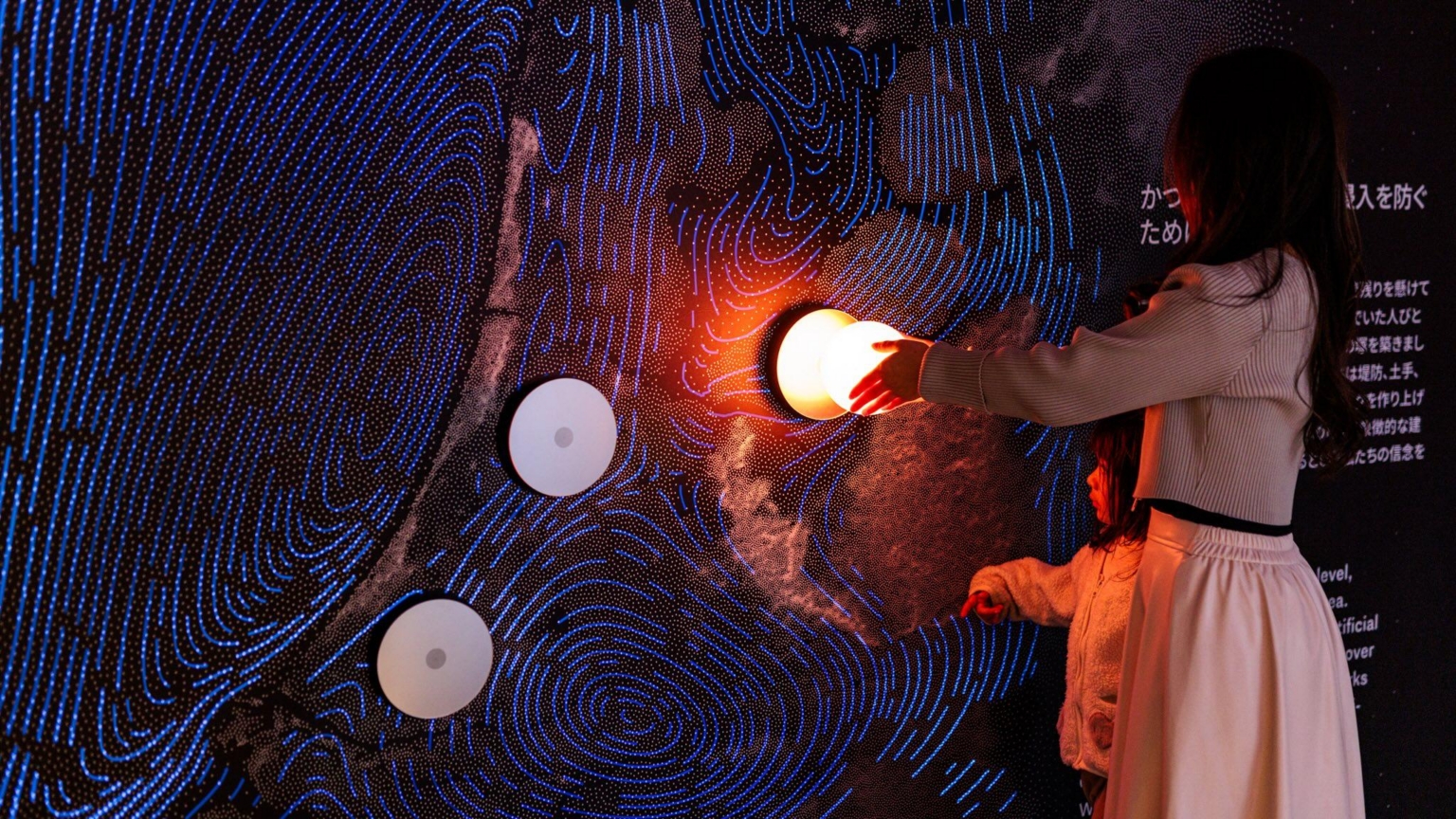
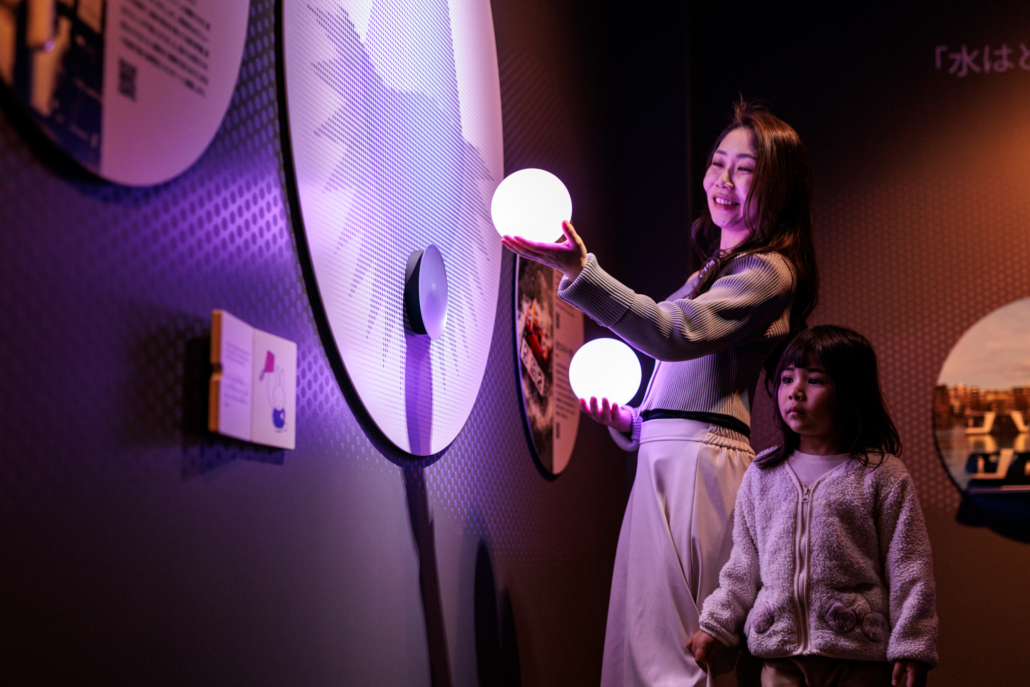
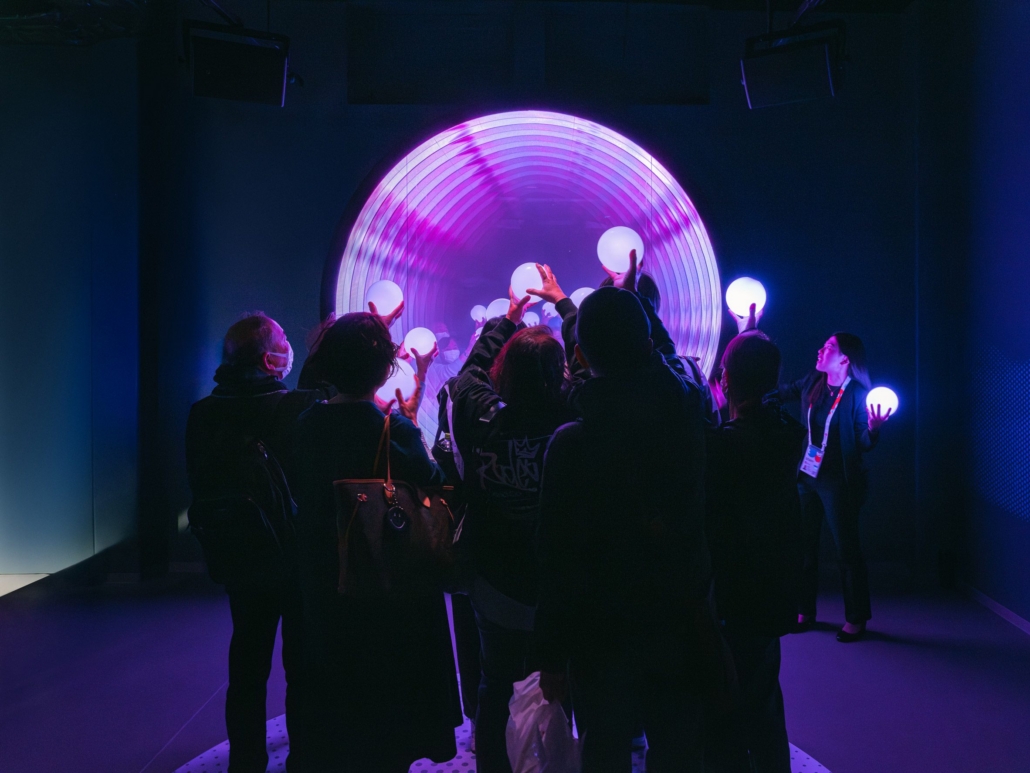
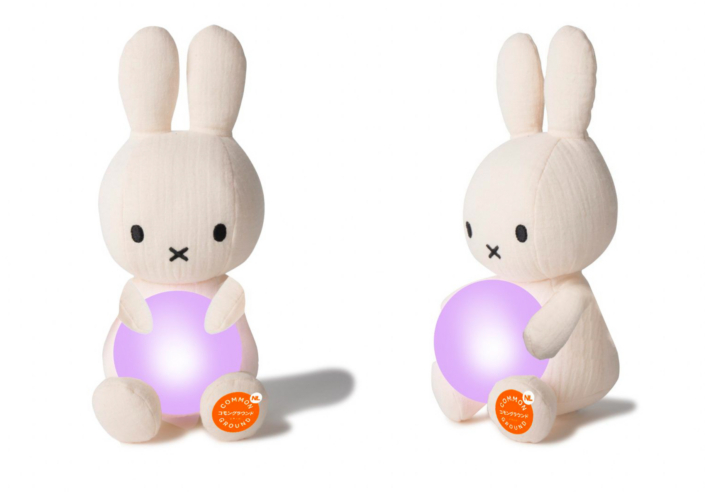
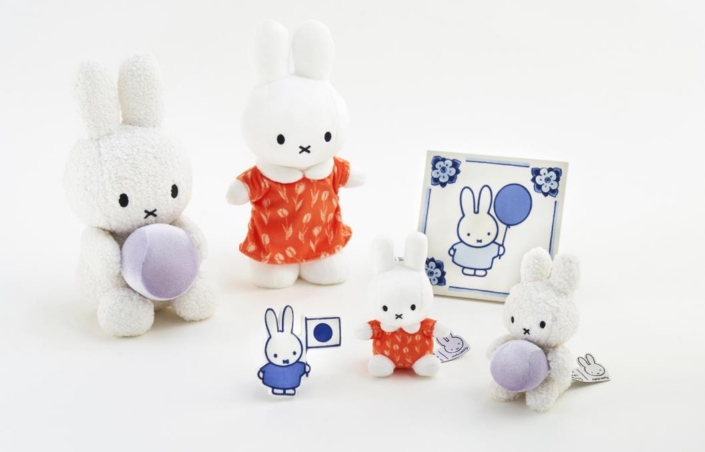
At the heart of the pavilion stands a monumental sphere symbolising A New Dawn, a future powered by clean energy and collective action. Echoing this architectural centrepiece, we introduced a personal interactive orb that guides visitors through the pavilion, activates installations and connects every experience into one continuous storyline.
Visualising collaboration with water
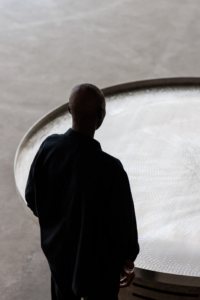
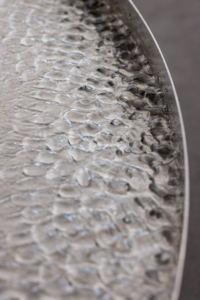
We opened the visitor journey by introducing the mindset behind Common Ground. Rather than telling visitors about Dutch water history, we invited them to experience it. A resonating water basin shows ripples moving and splashing the water chaotically, but slowly changing in a state of aligned frequencies resonating in harmony.
The installation symbolises how cooperation turned an unpredictable force into the foundation of Dutch society, and how collaboration remains essential for solving today’s global challenges.
Personal token
We designed the personal orb as a guiding interaction system throughout the pavilion, activating installations and shaping a personalised visitor journey. The object therefore transforms into a narrative and spatial device, connecting four different experience zones into one continuous storyline.