
Kattenburg Virtual Memories
Visitor Journey / Interactive Installations / Research / Partners: UvA 4D Lab | UvA Visualisation Lab | Autres Direction | Total Design
Key Takeaways
Designing for memory, not just for space
Translating the intangible, personal recollections, into a physical walking journey through Kattenburg, applying our expertise in visitor journey design to content that has no fixed form.
AI as a collaborative tool, not automation
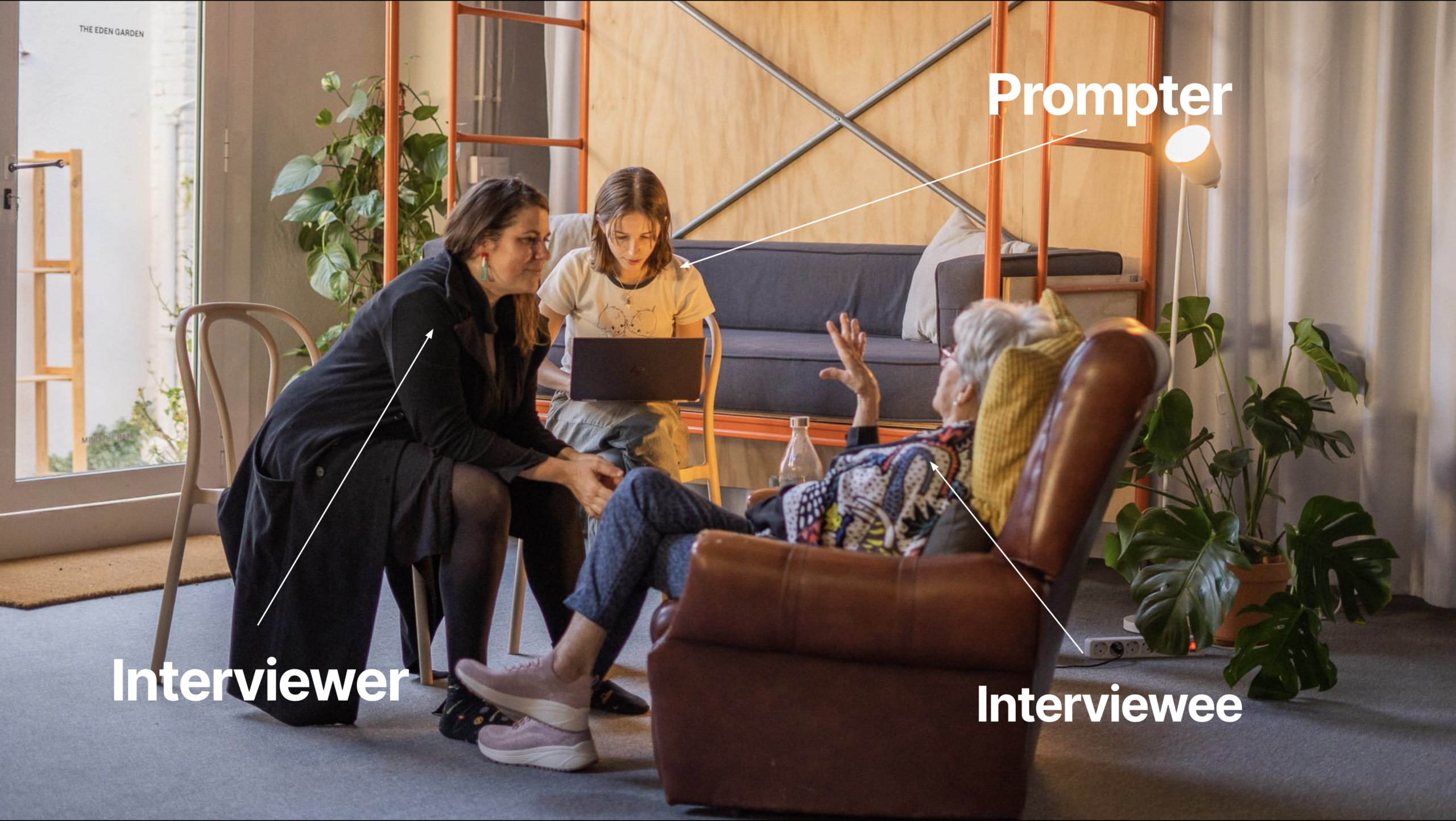
A trained prompter translated each memory into images in real time, and every result was only ever “correct” if the memory owner recognised it as their own. An approach taught by the Domestic Datastreamers and foundational for visualizing oral history.
Process as part of the outcome
Developed through an agile, research-driven collaboration with the University of Amsterdam, the project evolved through continuous iteration with historians, technologists and residents — where testing and adjusting was as much the work as the final experience.
Reconstructing history through memories, AI and mixed reality
Kattenburg, once a vibrant neighbourhood in Amsterdam, was largely demolished in the 1960s and 70s. The streets were rebuilt, but many of the personal stories that made the neighbourhood what it was disappeared from the public record. Kattenburg Virtual Memories asks a question that reaches beyond this one place: how do you responsibly and ethically visualize what was never captured in an image, and return it to the public in a way that stays true to the person whose memory it is?
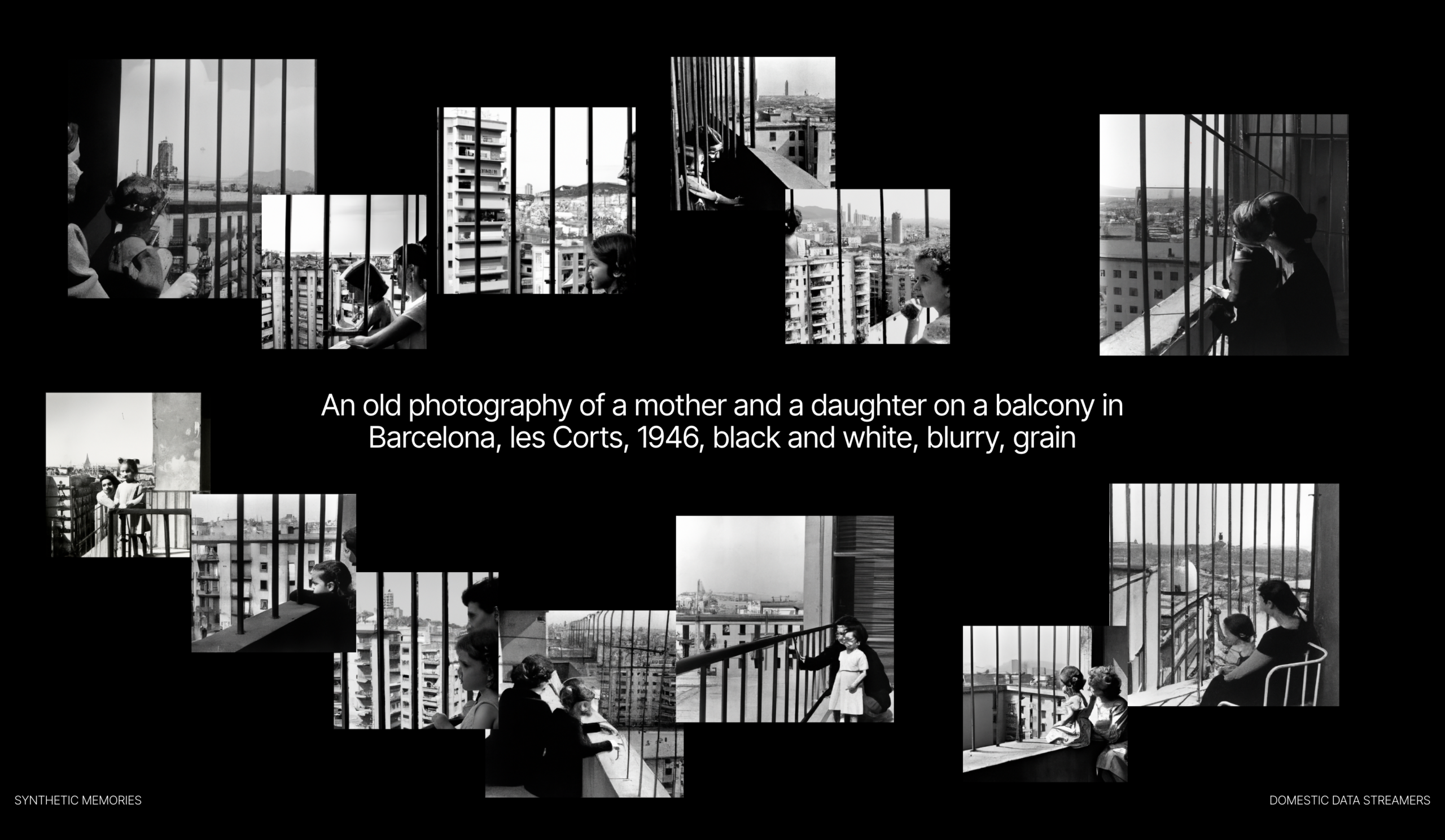
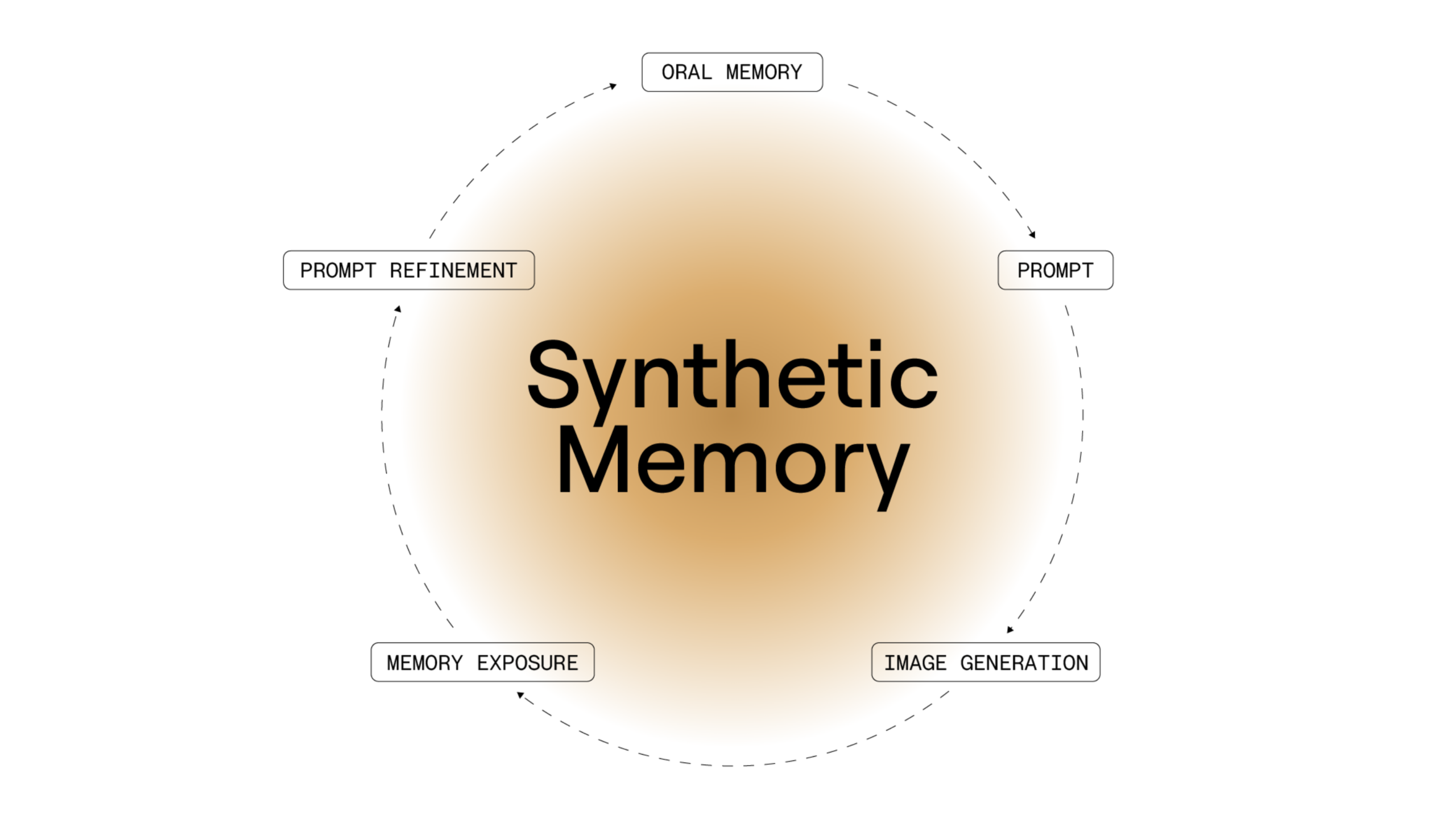
Developed in collaboration with the University of Amsterdam, the project combines oral history, generative AI and spatial computing. A factually precise 3D reconstruction of Kattenburg exists, but precision was never how the neighbourhood felt to the people who lived there. So rather than correcting memory against the record, we designed a method that trusts it: using the synthetic memories approach developed by Domestic Data Streamers, we interview former residents while an AI generates images from what they describe, until they recognise the one that resembles their own memory. The result may not be factually accurate, but it is true to the person who lived it. As in oral history, the point is not to judge someone’s story, but to listen to it.
These memories are then brought back to their neighboorhood. A mixed reality walking tour guides current residents of Kattenburg to touchpoints across the neighbourhood, where they hear interview fragments and see the memories and reconstruction layered onto the streets they now call home.
Was has happend so far:
4 Sep ’25
Start
The first meeting after the funding by ClickNL was honored to our consortium of; UvA 4D Lab, UvA Visualisation Lab, Autres Direction and Total Design.
Synthetic Memories workshop
Before any interview took place, the Domestic Data Streamers taught us their Synthetic Memories method during a two day workshop. It surfaced the principle that would guide everything after: a memory doesn’t need to be factually correct, only recognised by the person who owns it. The role of the prompter, translating spoken memory into image without steering it, proved as delicate as the role of the interviewer. This became the foundation the rest of the project was built on.
27 - 28 Oct ’26
20 Nov ’25
Interviews (former) Citizens
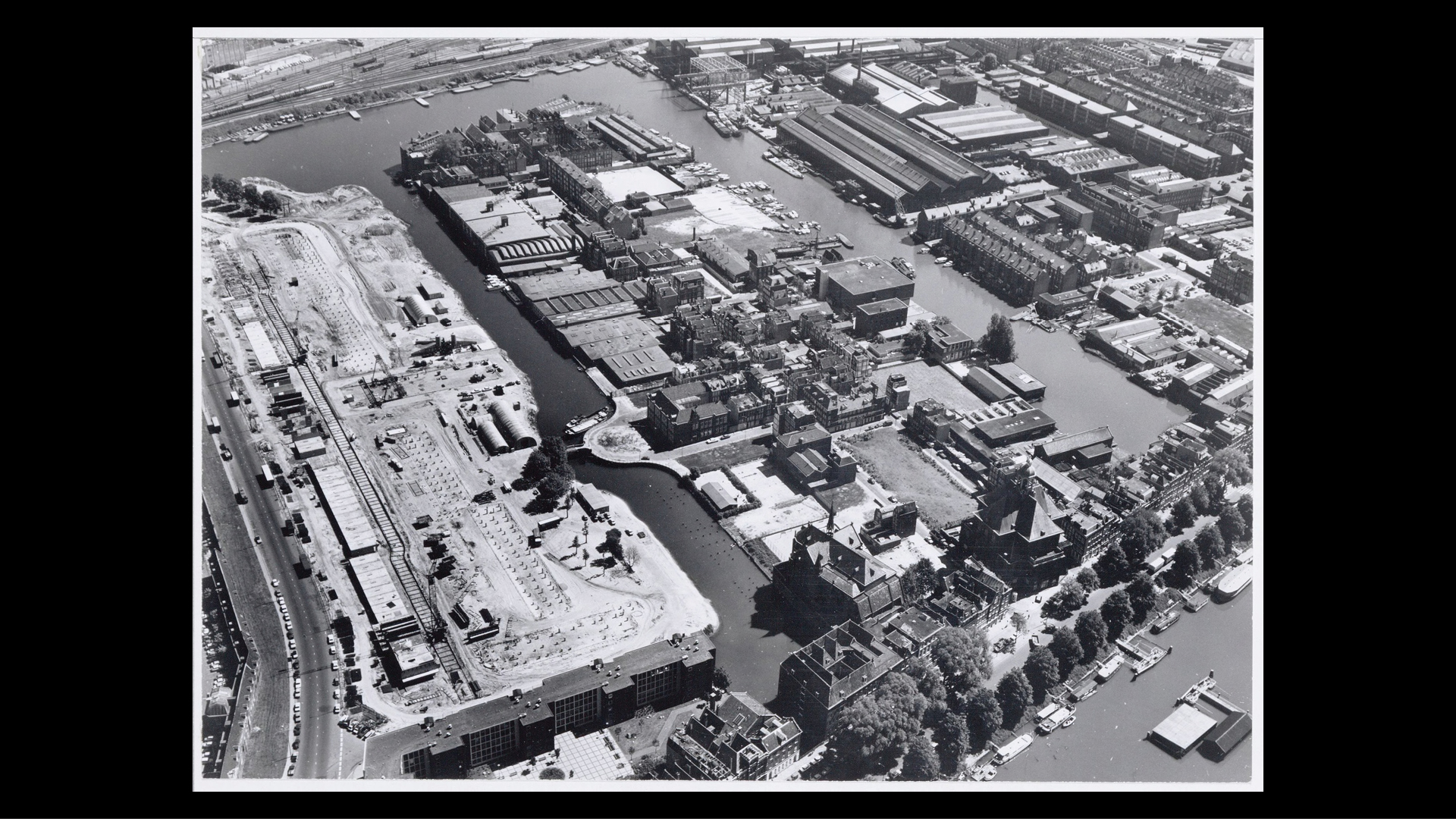
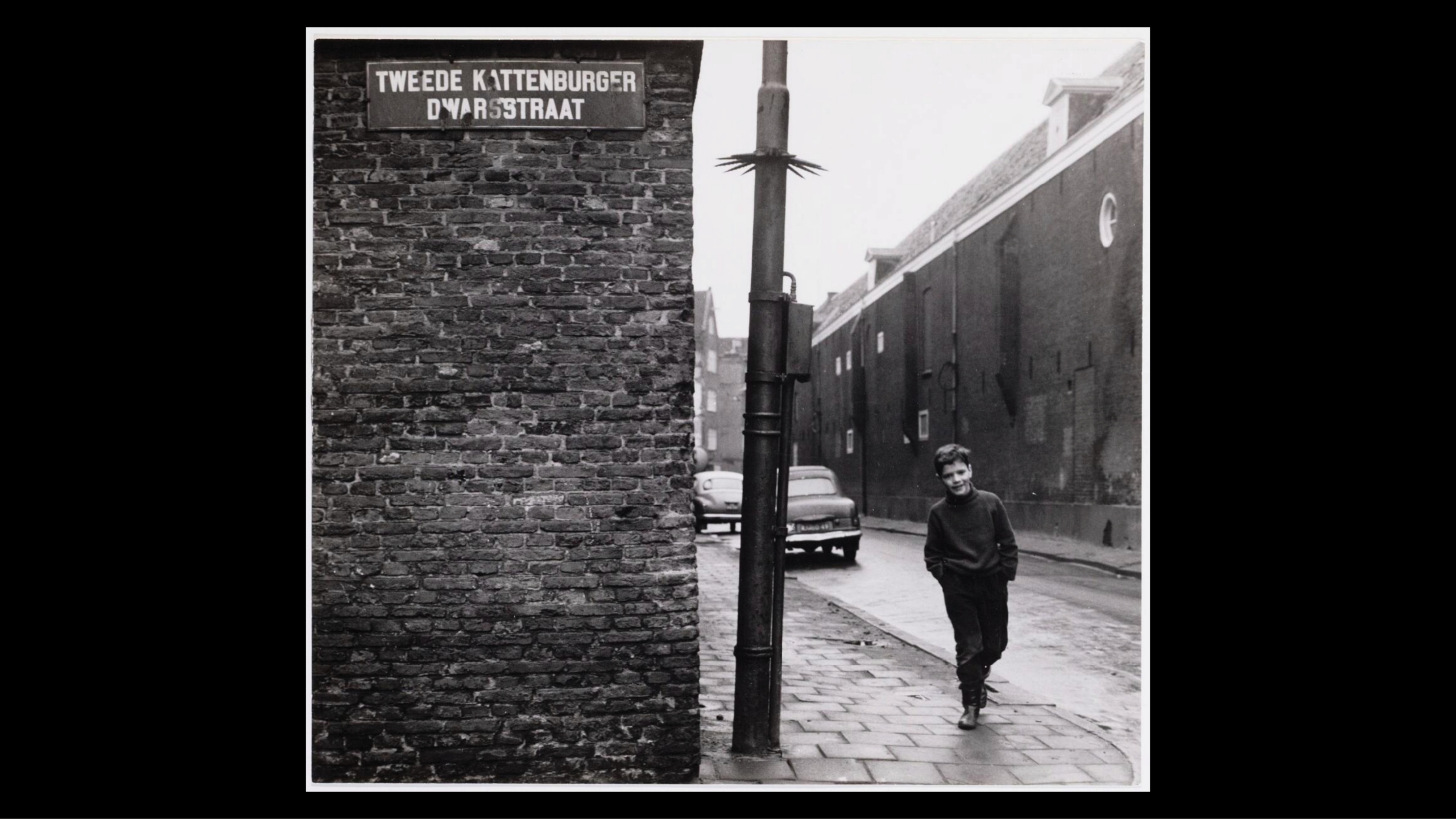
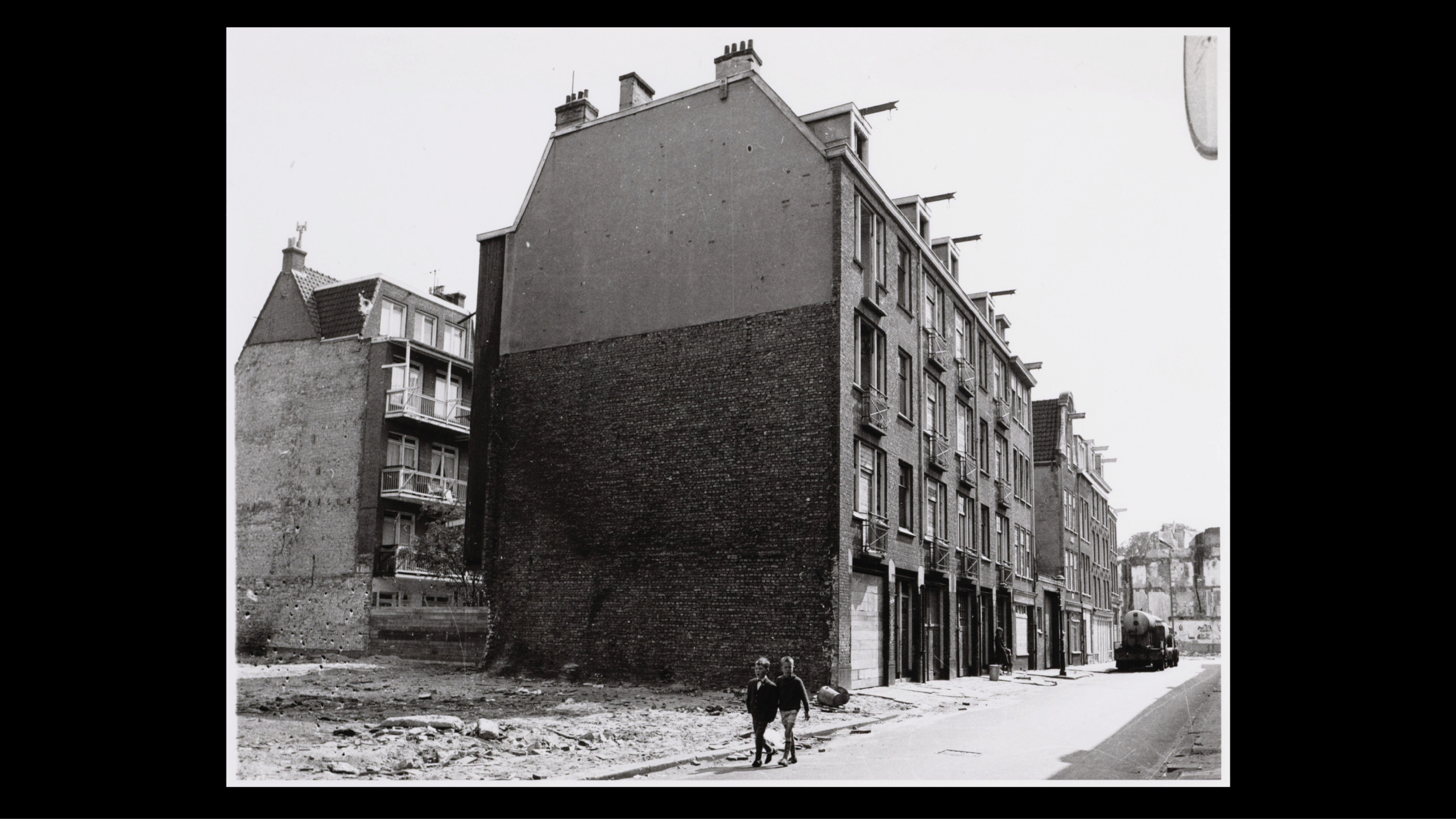
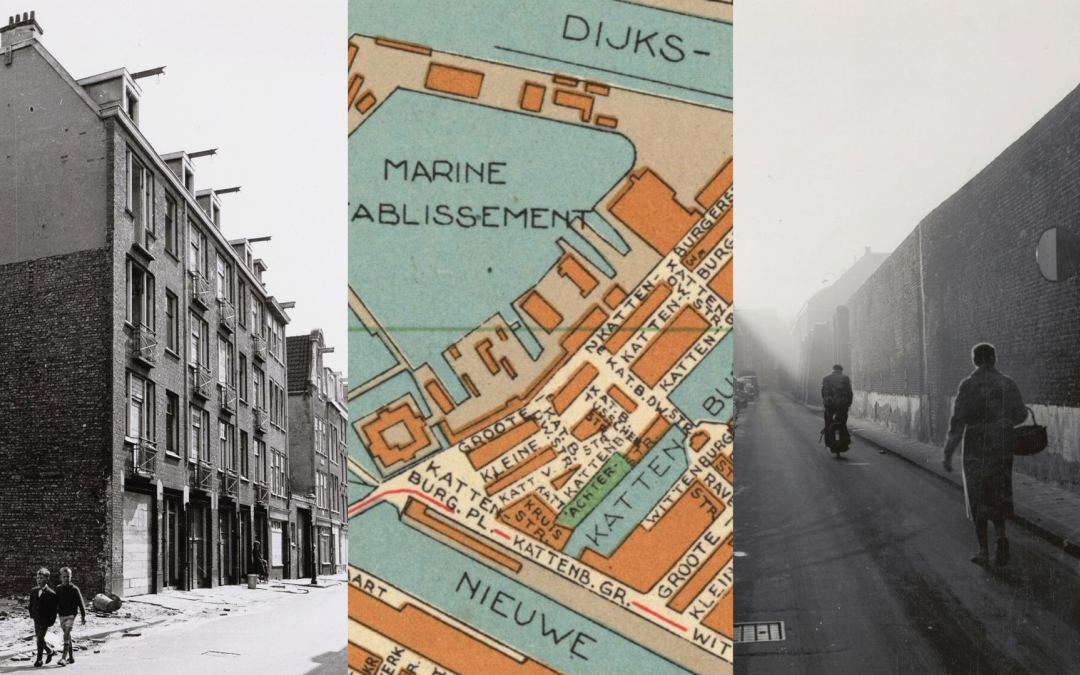
Thanks to Boudewijn, we gained access to former residents of Kattenburg. Their memories gave us a new perspective on this very known neighboorhood . Steven de Vries remembered the Marine base’s boundary wall as impossibly high, a childhood impression that outlived the wall’s actual, modest height. Jos Dekker, one of the first to move into the rebuilt neighbourhood, recalled looking out over an empty sand plain that stretched all the way to the train tracks, a view that no longer exists in any form but memory. These are the details a factual reconstruction alone could never hold.
Interviews Military
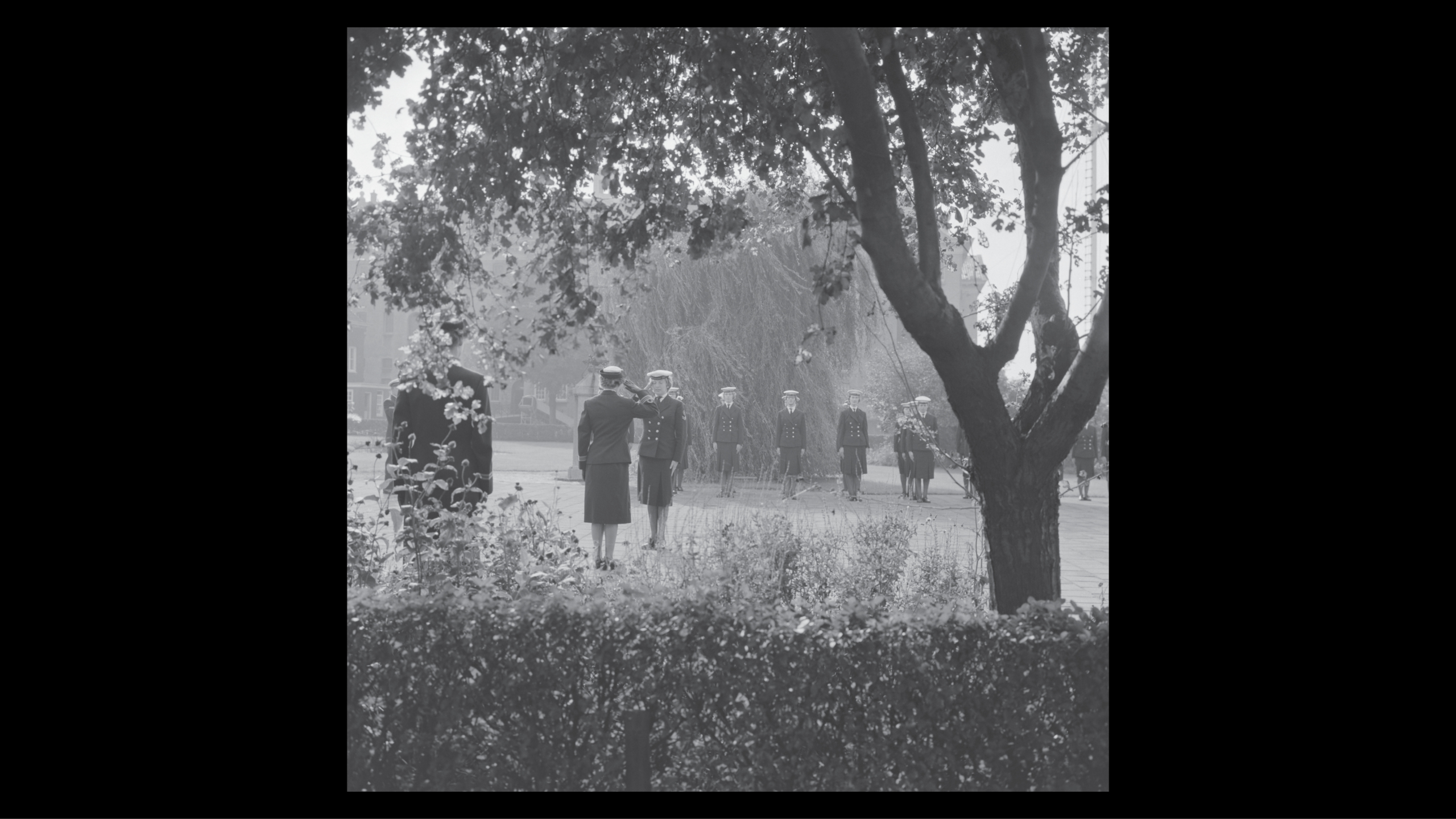
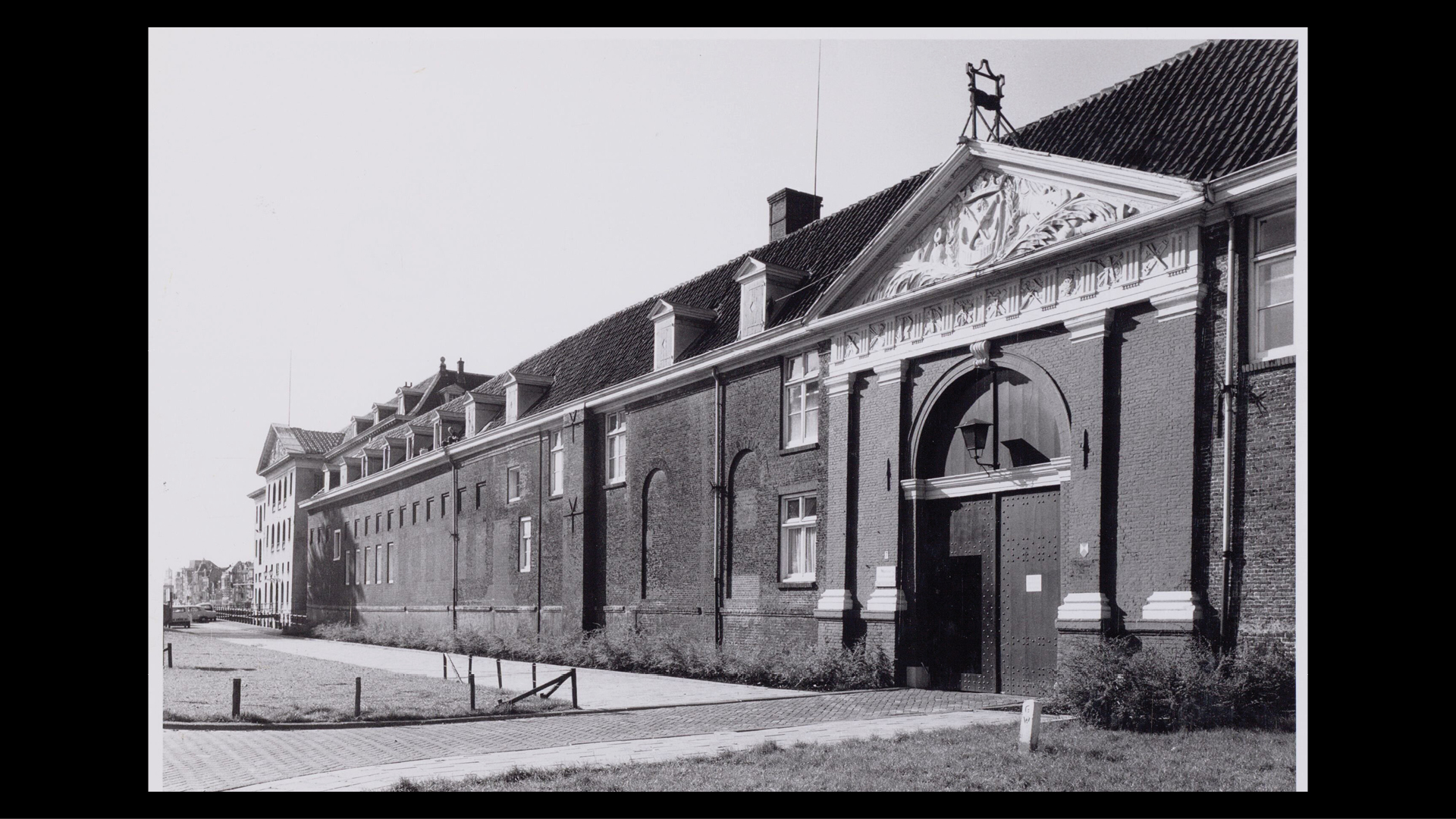
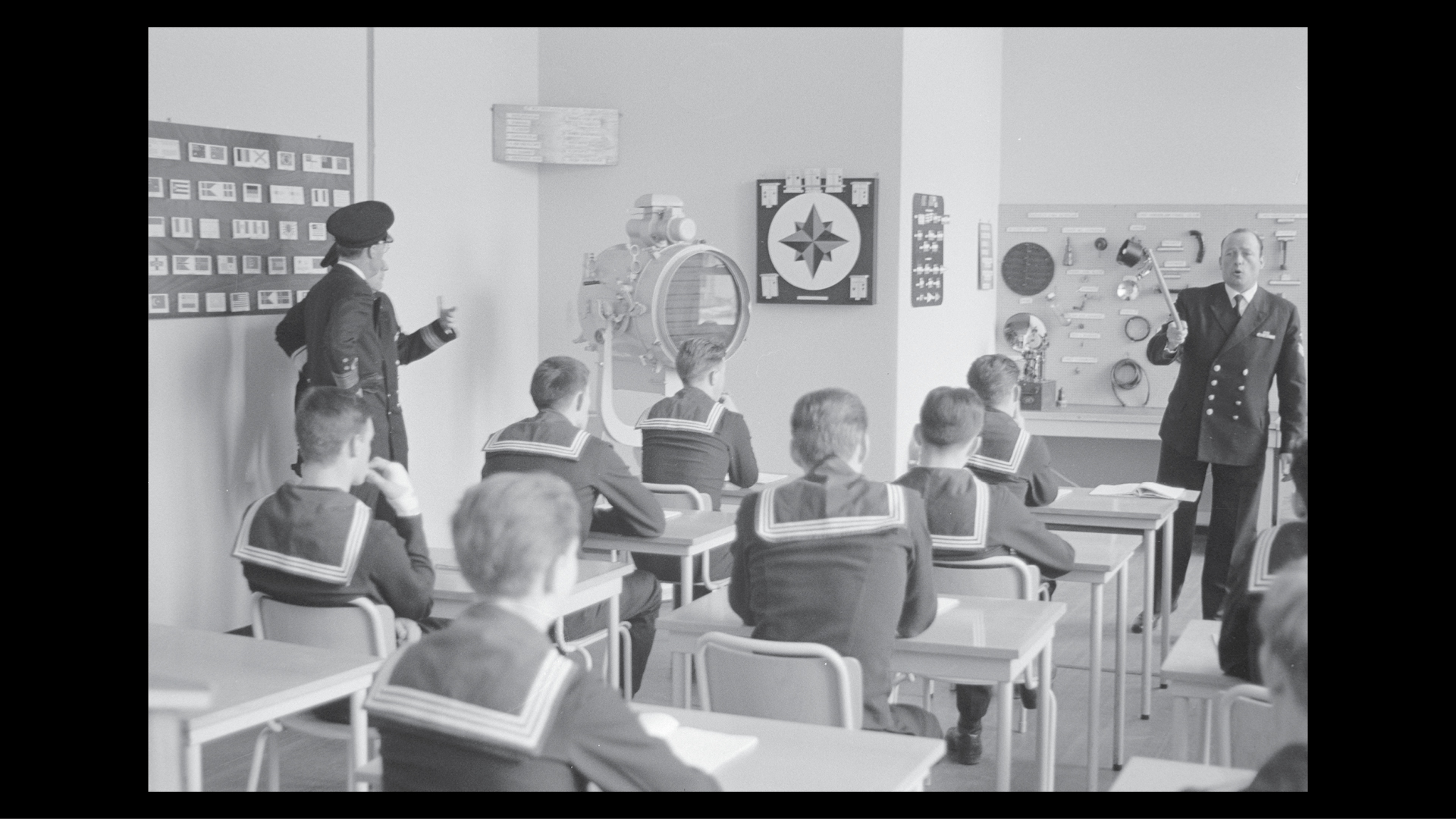
Kattenburg’s history runs through the Marine base that once stood there, and through Floribert’s own research into that history, we were able to speak with several of his participants. The same base, it turned out, lived differently in different memories: for some, simply home; for others, a place with its own emotional weather; one recalled the sun always shining on the way out through the gates, and grey skies waiting on the way back in. Emotional details an differences like these are what shape a place beyond the factual reconstruction and also showed an important insight regarding oral history; everyone’s perspective is different but all are true
09 Jan ’26
30 May ’26
First public test
An early iPad prototype, without any interview content yet, let visitors hold up a screen and see part of old Kattenburg layered onto the neighbourhood as it stands today. Even stripped down to just this, the response was immediate: people paused, pointed, traced the outlines of houses that hadn’t existed in decades. It confirmed something simple and important, that seeing the past standing in the present is powerful on its own, before a single memory is added.
Project Finish
The finale, where the completed mixed reality walking tour will be presented to the public, is still taking shape. More details will follow on our LinkedIn page as the date approaches.
02 Oct ’26
