Designing a rehabilitation centre where recovery never stops
Visitor Journey / Research / Client: Rijndam Rehabilitation / Partners: WellWellWell |
Key Takeaways
Rehabilitation never stops
Rehabilitation should be viewed as a proces that exists 24hrs per day, 7 days a week and not just when a therapist is available.
The environment should grow with the patient
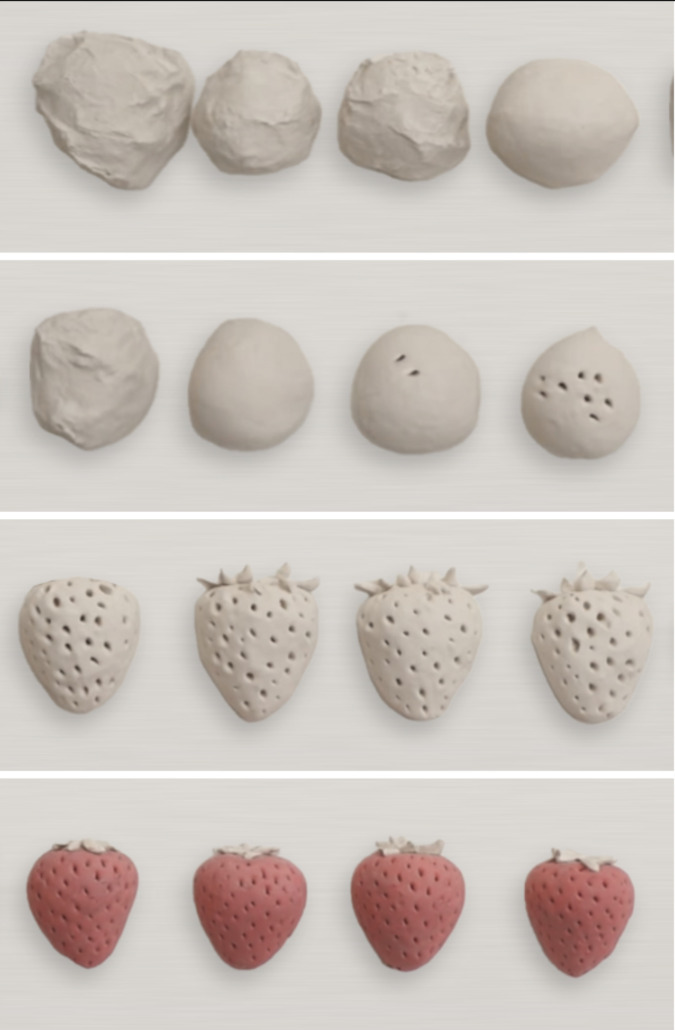
To allow for continuos rehabilitation the environment should be scene as dynamic and grow with the capabilities of the patient
Co-Creation is key
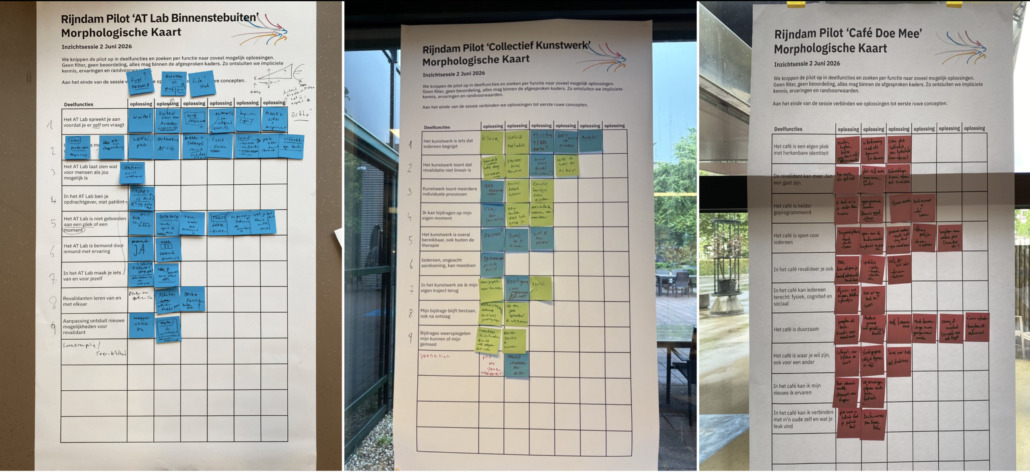
The patients and therapists currently present in the center are the experts, with clever use of design methods they always stay in charge of the process.
Designing for recovery & autonomy
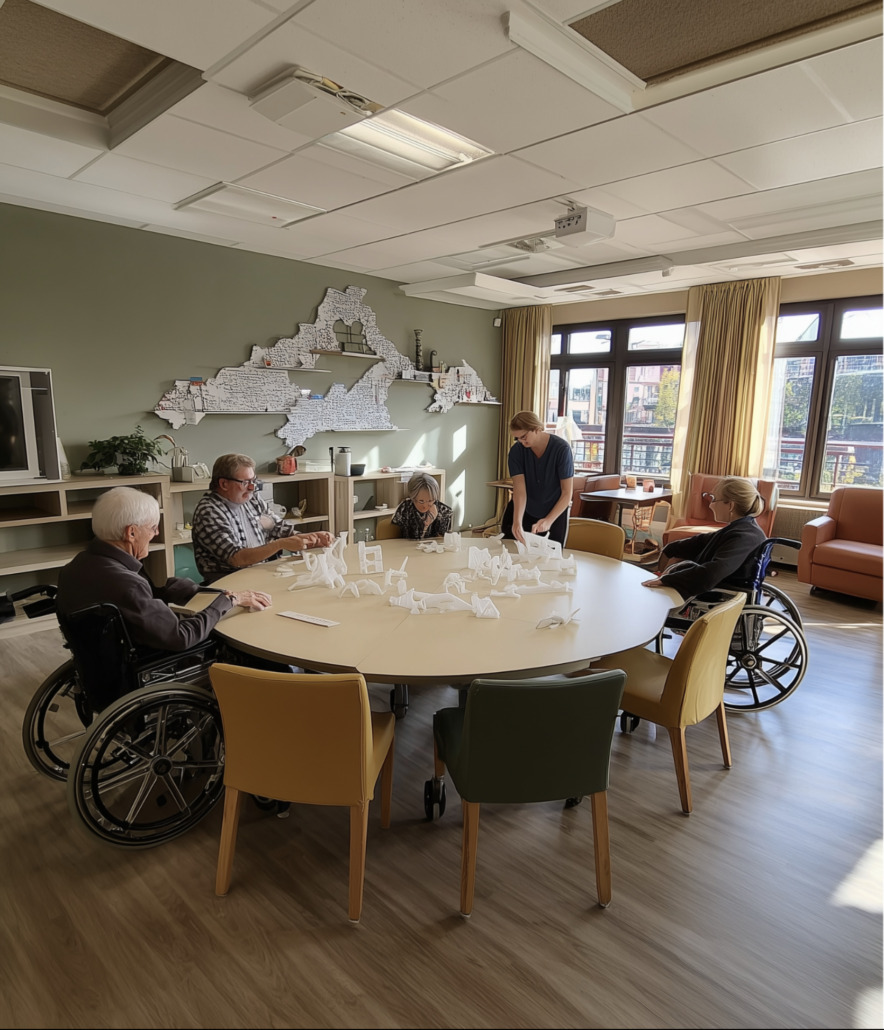
Recovery does not only happen during therapy sessions. It happens when someone dares to walk to the café for the first time. When patients encourage one another. When a family member learns how to support without taking over. When an ordinary corridor becomes the place where confidence slowly returns.
At Rijndam Rehabilitation Centre, we are exploring what happens when the entire environment becomes part of the rehabilitation process.
Together with healthcare professionals, patients, families and researchers, we are designing a new generation of rehabilitation environments where architecture, behavioural design and experience design work together to continuously support recovery. Rather than designing a building around healthcare, we are designing an environment that actively shapes behaviour, encourages independence and strengthens everyday rehabilitation.
Through observation, co-design and full-scale pilots in the existing hospital, we test how spaces, interactions, technology and social dynamics influence recovery. Every intervention is evaluated in practice before informing the design of Rijndam’s future rehabilitation centre, embedding these insights into the building from its very foundations.
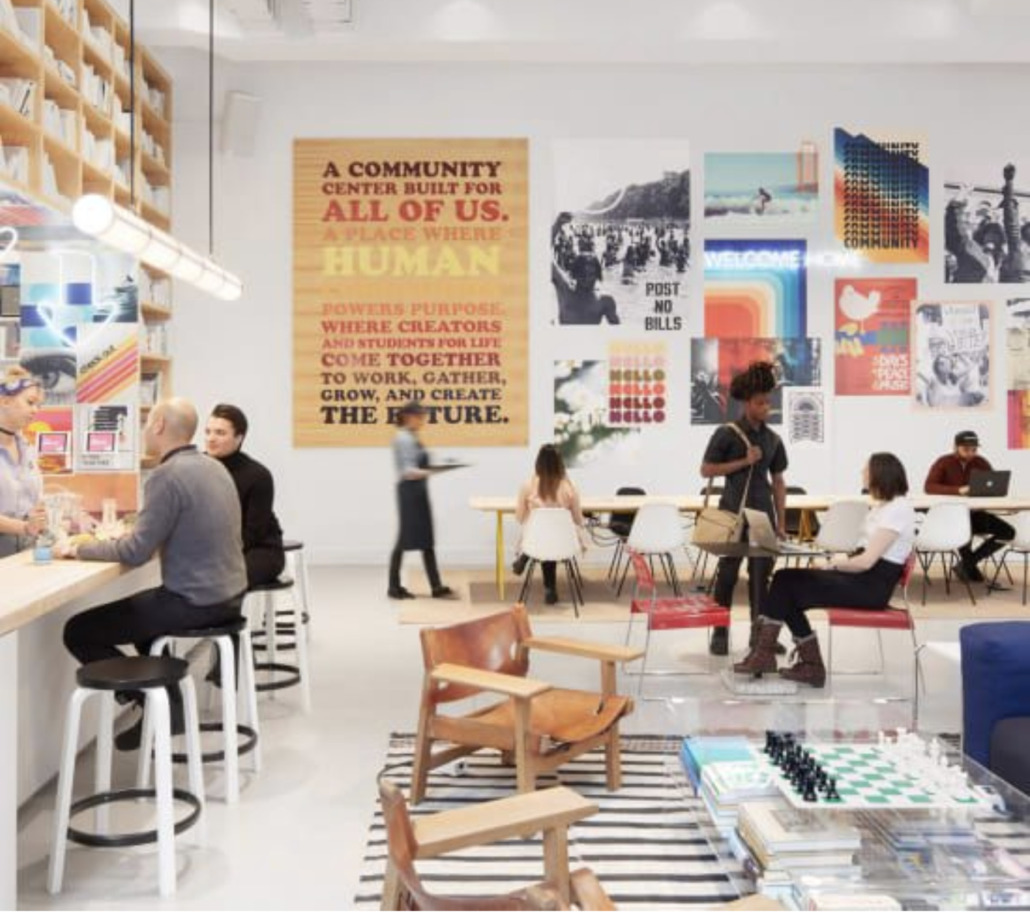
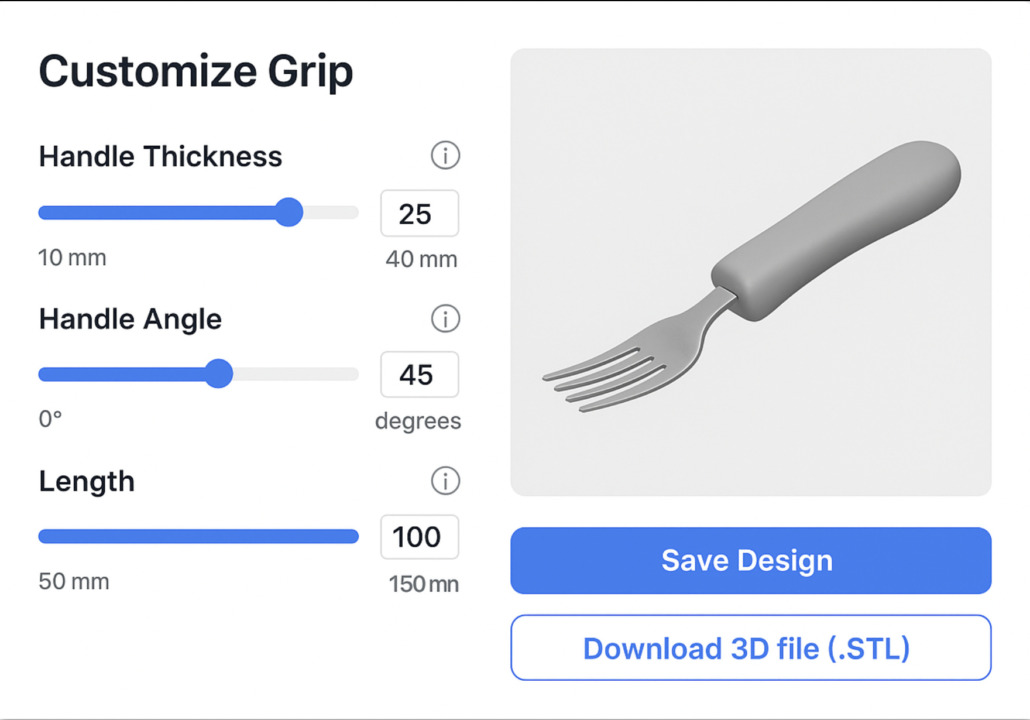
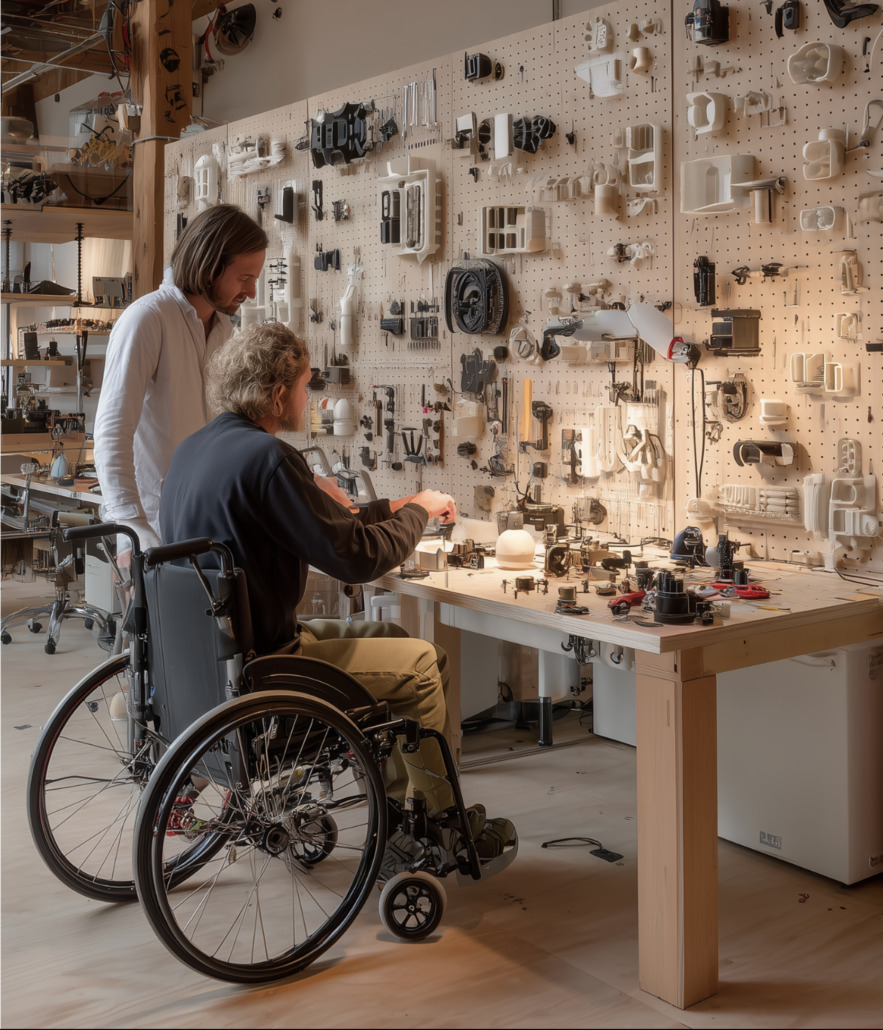
Our research investigates how the environment can stimulate movement instead of inactivity. How it can create meaningful encounters between patients. How it can help families become confident partners in rehabilitation. How it can reduce dependence on professionals by encouraging people to take ownership of their own recovery. And how every space, from therapy rooms and corridors to cafés, workshops and assistive technology lab can contribute to better outcomes.
Because rehabilitation is not something that happens during an hour of therapy. Or from 9 to 5. It happens every moment of the day.
The building becomes a silent therapist. The environment becomes an active participant in recovery.
Because healing may be deeply personal, but rehabilitation is something we do together.